
Blogging has transformed a whole lot over the years, becoming a legit way to earn a living. Now, it’s an even more exciting career option. The beauty of blogging today is how it combines creativity with the potential for income. Bloggers aren’t just content creators but influential voices in their niches. With millions turning to blogs for advice, reviews, and insights, there’s a sweet spot for everyone, from tech enthusiasts to gardening gurus.
Before launching into the nitty-gritty, it’s crucial to identify your niche. That’s the specific topic or theme you’ll focus on. Whether you choose travel, lifestyle, tech, or even something as unique as vintage toy collections, honing in on a niche lets you build a dedicated audience. This step is all about aligning your passions with market demand. Find that balance between what you love and what others care about.
Success stories abound in the blogosphere, with bloggers turning hobbies into full-fledged businesses. Take a look at personal finance blogs or tech review sites. Some of these started as passion projects and are now industry leaders. These examples show how critical it is to carve out your unique angle.
But let’s get real—blogging isn’t all smooth sailing. Blogger burnout is real and often comes from not setting realistic goals or spreading oneself too thin. It’s essential to approach blogging with a plan, not only to keep things fresh for your audience but also to keep yourself sane. Scheduling content and taking breaks when needed can make all the difference.
Setting Up Your Blog: Step-by-Step Guide
Embarking on your blogging journey starts with picking the right platform. WordPress remains a top choice for many, offering flexibility and robust features. Still, there are alternatives like Blogger, Squarespace, and Wix, each with its strengths. Consider what you need in terms of customization, ease of use, and scalability when making your pick.
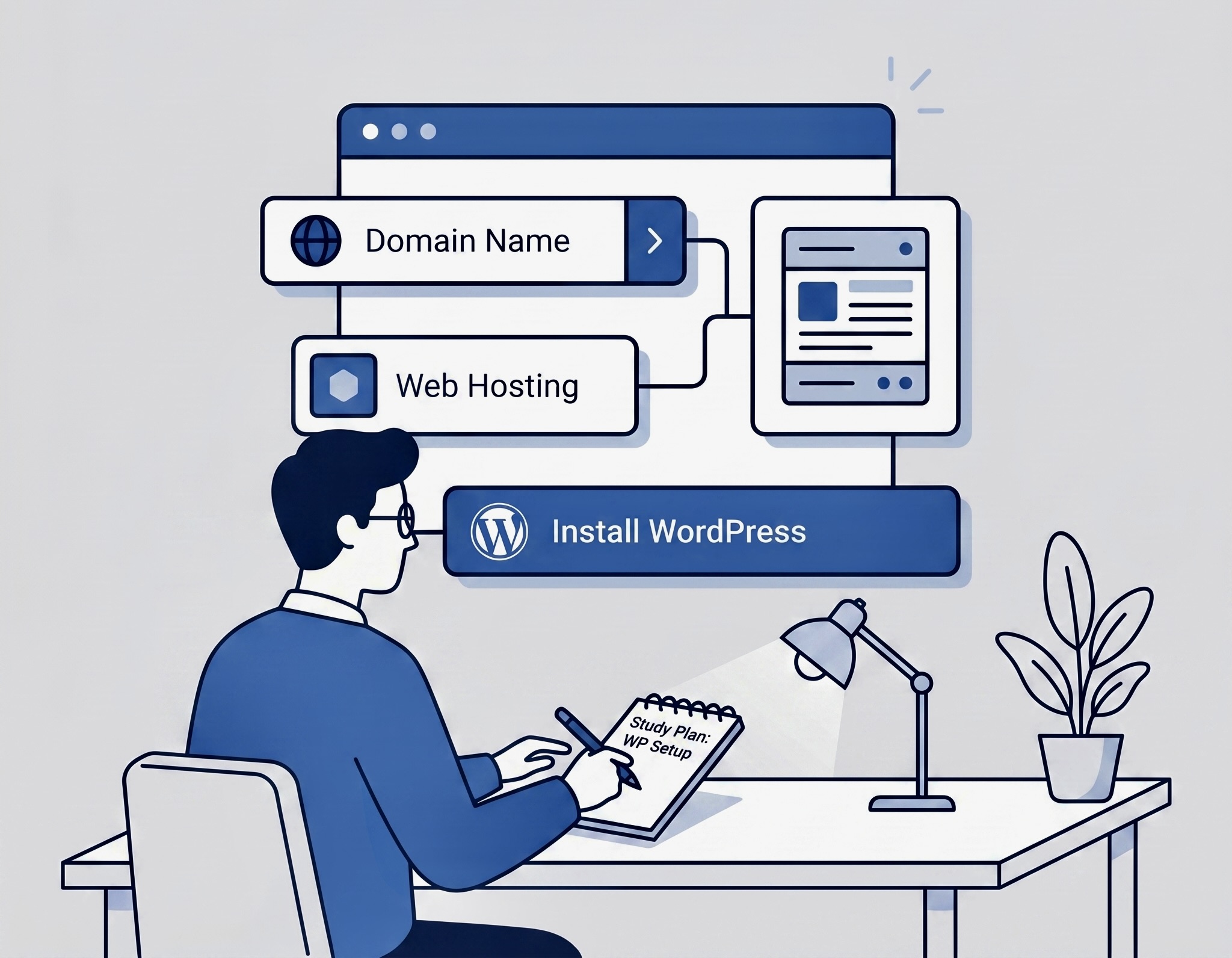
The next move is securing a domain name and setting up hosting. Your domain name is your online identity, so it should be catchy and relevant to your niche. Hosting is where your blog lives on the internet, so opt for reliable services like Bluehost, HostGator, or SiteGround that offer good uptime and support.
Design is more than just aesthetics. It’s about creating a user-friendly experience that keeps readers coming back. Simple, clean themes work wonders and make sure your blog looks good on all devices. Even if design isn’t your forte, many platforms offer easy-to-install themes that won’t break the bank.
A content plan is your strategy map. Decide how often you’ll publish and what kind of content you’ll create. Consistency is key, not only for maintaining audience interest but also for SEO purposes. Start with a mix of evergreen content and trending topics to keep things balanced. Organize your ideas using tools like Trello or Google Calendar to keep on top of your schedule.
Creating Superior Content: The Foundation of Blog Success
Creating content that stands out is at the heart of a successful blog. Understanding your audience is the first step to crafting messages that resonate. What are their interests, concerns, or questions? Addressing these directly in your posts makes your content relevant and compelling.
SEO might sound technical, but it’s a game-changer. Search engines prioritize content that’s both informative and optimized. Start with basics like using relevant keywords, writing meta descriptions, and optimizing URLs. Tools like Yoast SEO can help guide you through this process without needing to be an expert.
Your blog’s headline is the first thing readers notice, so it needs to grab attention immediately. Craft headlines that are clear, intriguing, and sometimes, a little provocative. The key is to invite clicks without resorting to misleading clickbait.
Visuals aren’t just nice to have—they’re essential. Whether you use photos, infographics, or videos, quality visual content enhances the reading experience. It breaks up the text and provides a different way of exploring the topic. Platforms like Canva offer user-friendly tools to create standout visuals even if you’re not a pro designer.
Growing Your Audience: Strategies That Work
Building a solid social media presence is crucial for attracting new readers. It’s not just about blasting links; it’s about engaging with people where they already hang out. Use platforms like Twitter, Instagram, and Facebook to share your blog posts and interact with your audience. Each platform has its vibe, so tailor your content to fit the medium.
Connecting with other bloggers can open doors to audience growth. Guest posting on established blogs in your niche not only increases your visibility but also builds credibility. Collaborating with bloggers on projects or hosting them as guest contributors on your site can foster good relationships and expand your reach.
Email marketing may sound old school, but it’s a direct line to your audience. Building an email list allows for personal communication, free from the confines of algorithms that limit social media reach. Regular newsletters with exclusive insights or content can help keep subscribers engaged.
Online communities like Reddit, Quora, or niche-specific forums can also be gold mines for audience growth. Participate in discussions, offer valuable advice, and subtly introduce your blog when it adds value to the conversation. Remember, genuine interaction here is the key, not just self-promotion.
Monetize: Turning Your Blog into a Revenue Stream
With the right strategies, your blog can be a lucrative venture. The monetization models vary, depending on your niche and audience size. Display ads are the most straightforward option. Google AdSense is a popular choice, offering a decent income stream as your readership grows.
Affiliate marketing is another profitable avenue. Here, you promote products or services and earn a commission for each sale made through your referral. Choose affiliate programs that align with your blog’s content and ensure they provide true value to your audience.
Selling your own digital products or services opens up even more potential. From e-books to online courses or consulting services, these options allow you to leverage your expertise. Creating valuable, well-designed products can showcase your authority and bring in significant revenue.
Keeping an eye on analytics is non-negotiable. Tools like Google Analytics provide insights into what’s working and what’s not. Analyzing data helps you make informed decisions about content strategies and monetization efforts.
Building a successful blog takes dedication and work, but when done right, it can be incredibly rewarding both personally and financially.