
Getting accepted into an affiliate program can feel like a formality, but it often requires meeting certain criteria. You might be asked to present your value for the company or product you would like to promote. And when you apply, you may not receive an approval email. Sometimes the email says your site needs more content and traffic first.
That gap between starting and approval often stalls beginners.
This article sorts real programs by how fast you get in, not by paid commissions. So you can pick one today and have a working link live this week, which is a great way to start exploring affiliate programs.
What “Beginner-Friendly” Actually Means in an Affiliate Program
A program is beginner-friendly when three things line up:
- Approval does not depend on traffic you do not have yet.
- The commission structure still makes sense at low volume.
- The product is something you can write about honestly without owning it first.
A lot of “top affiliate programs” lists mix in high-ticket software deals that require an existing audience of thousands, alongside marketplace programs that will approve almost anyone with a basic website.
Those are not the same starting point.
The sorting that matters for a beginner is: will this program say yes to me now, and will the first few commissions be big enough to feel like progress rather than a rounding error?
General Marketplace Programs: Amazon Associates and Similar Networks
Amazon Associates is often the first program many beginners apply to, making it a common starting point for aspiring affiliates.
For good reason, the application process is simple, approval is usually fast, and you can link to any physical product.
The commission rates on Amazon are modest and vary by category, so this works better as a volume play. But this makes Amazon suitable for steady earnings through high-volume links.
Similar general marketplace programs exist through networks like AWIN and CJ Affiliate, which host thousands of individual merchant programs under one login. The approval bar for the networks themselves is low. Individual merchants inside the network can still reject you if your site looks brand new or has no content yet, so the practical move is to apply to the network first, publish a handful of relevant posts, then apply to specific merchants once you have something for them to look at.

The advantage of this category is breadth. You are not locked into one product type, and you can test several merchants without much commitment. The trade-off is that commission rates are usually a small percentage of a one-time sale, so your early income from this category will be small no matter how it’s structured.
Software and SaaS(Software as a Service) Programs That Pay Recurring Commissions
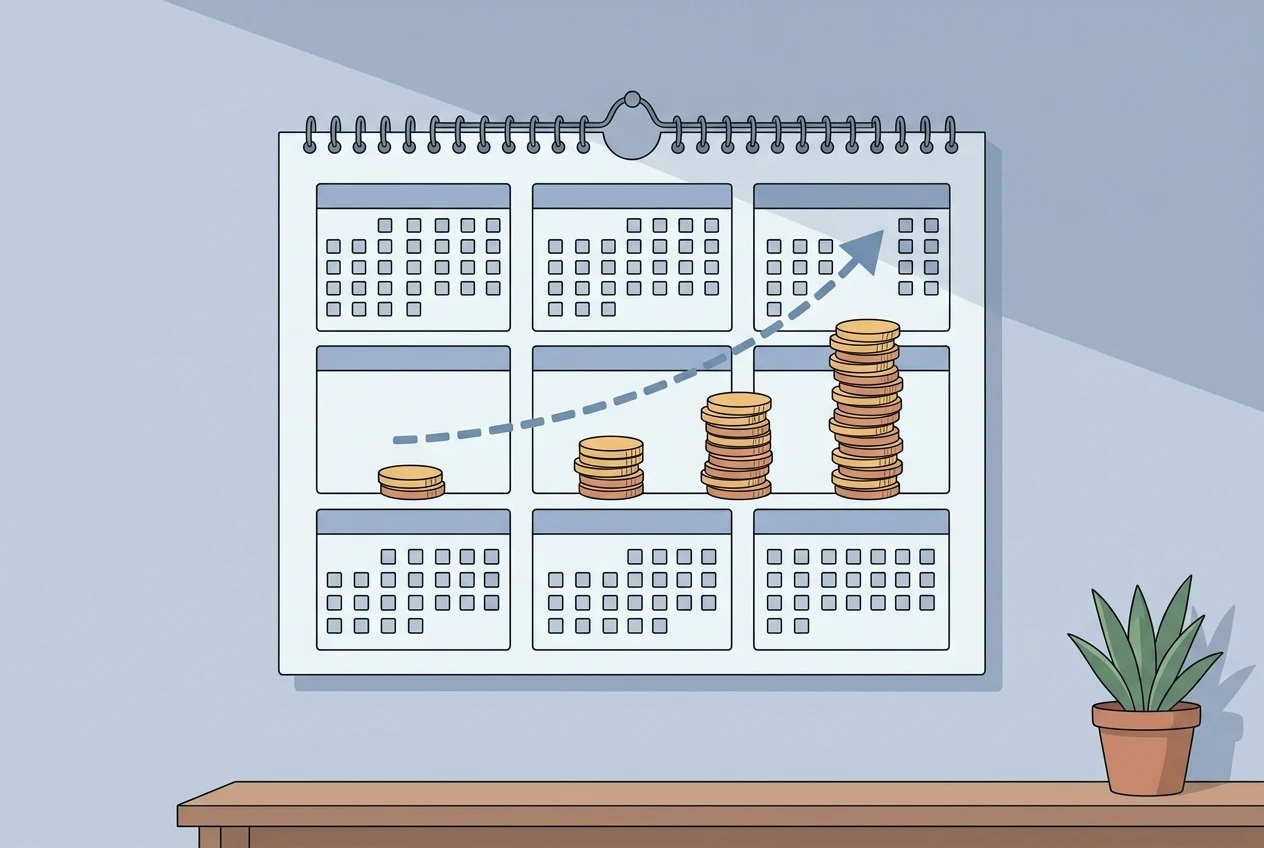
Software affiliate programs work differently, and the difference matters a lot once you’ve been at this for more than a few months. Instead of a one-time cut of a sale, many SaaS programs pay a recurring commission for as long as the customer you referred keeps paying for the subscription. Refer one customer who stays subscribed for two years, and you get paid every month of those two years, not just once.
This category includes email marketing tools, website builders, project management software, and hosting-adjacent SaaS products, many of which run their own affiliate programs directly rather than through a network. Approval requirements vary by company. Some will approve anyone with a website in a relevant niche. Others want to see an audience that plausibly needs the software before they’ll let you promote it.
The reason this category belongs on a beginner’s shortlist is that recurring commissions compound. A single affiliate program with a handful of retained subscribers can eventually out-earn a dozen one-time-commission sales from a marketplace program, even though it took longer to build. If your content naturally touches on tools, software, or productivity, this is worth applying to early rather than treating it as something to graduate into later.
Web Hosting and Online Business Tool Programs Beginners Can Join
Hosting affiliate programs sit in a similar category to SaaS, with one difference: because so many people search for how to start a blog or a website, hosting is one of the easiest products to write about honestly as a beginner, since you’re likely using hosting yourself for your own site.

Commission structures in hosting vary widely, from flat one-time payouts per sign-up to smaller recurring percentages, so it’s worth reading the commission terms before assuming a number. Approval is generally straightforward since hosting companies want affiliates promoting to anyone building a website, which describes most beginner content anyway.
This category pairs naturally with content about starting a website or blog, so if that’s a topic you’re already covering, or plan to, the affiliate program is a natural fit rather than an add-on. If you haven’t put together that kind of content yet, How To Start A Blog And Make Money walks through what that looks like.
Affiliate Networks Built to Approve New Marketers Fast
Beyond individual programs, some networks and platforms exist specifically to get new affiliates approved and earning quickly, rather than making them prove themselves first. These tend to have lower entry barriers than applying directly to individual brands, because the network absorbs some of the vetting risk itself.
Characteristics of this category worth looking for:
- Approval within a day or two rather than weeks
- No requirement for an existing website before you apply (though having one still helps)
- Clear commission structures stated upfront rather than “contact us for rates”
- A support or training resource included, so you’re not applying blind
These programs are useful precisely because they remove the chicken-and-egg problem beginners run into everywhere else: you need traffic to get approved, but you need to be approved to start building toward traffic. A network built around fast approval breaks that loop, letting you get a link live and start learning the mechanics of affiliate marketing, cookies, tracking, and disclosure requirements before you’ve invested months building an audience with nothing to monetize.
Red Flags That Signal a Program Will Waste a Beginner’s Time
Not every program that says yes to you is worth your time. Some red flags are worth checking for before you apply, because being approved for a bad program can cost you more time than being rejected from a good one.

- Commission structure hidden behind a login or a sales call. If a program won’t state its commission rate publicly, that’s usually because the rate is low or variable in the company’s favor.
- No clear cookie duration. If you can’t find how long a referral is tracked after someone clicks your link, a sale that happens three weeks later might not be credited to you at all.
- Payment thresholds set unreasonably high. A $100 minimum payout is manageable. A $500 minimum with no interim reporting means you could earn for months without seeing a cent or any confirmation the tracking is even working.
- Products with poor reviews or a short track record. Promoting something that generates refund requests or complaints damages your credibility with your own audience, which is a cost that outlasts any single commission.
- Affiliate programs attached to opportunities that are really recruitment schemes. If the “product” is mostly the affiliate program itself, with no clear thing being sold to an end customer, that’s a structure to avoid rather than join.
None of these red flags mean a program is a scam outright. They mean the program is set up in a way that makes it harder for a beginner to learn from, track, or trust, which defeats the purpose of choosing a beginner-friendly program in the first place.
How to Choose Your First Program and Get It Live This Week
The fastest path to your first live affiliate link is narrower than it looks from the outside. You don’t need to evaluate every program in every category above. You need one program, in one category, that matches something you’re already planning to write about.
A practical sequence for this week:
- Pick the category that matches your content plan, not the category with the highest commission rate. If you’re writing reviews of physical products, a marketplace program fits. If you’re covering tools and software, a SaaS program fits better.
- Apply to two or three specific programs in that category, rather than one, so a single rejection doesn’t stall you.
- Check the approval requirements before applying, not after. Most programs list whether they need an existing site, minimum traffic, or none of the above.
- Get the link live on one piece of content as soon as you’re approved, even if that content is short. A live link with no traffic yet still teaches you the mechanics: tracking, disclosure wording, and where the link fits naturally in a sentence.
If you haven’t settled on a niche yet, the program choice matters less than getting that decision made first, since the right program follows from what you’re already planning to write about. How Do I Find My Ideal Online Business – the Best Niche for Me? And The Beginner’s Guide To Affiliate Marketing both cover that groundwork if you’re starting from scratch rather than picking between programs.
And if what you’re really looking for isn’t a single affiliate program but a structured way to build the whole thing- training, a site, a community, and a program to promote once you understand how all of it fits together- Wealthy Affiliate Review is a closer look at the platform this Hub runs on.